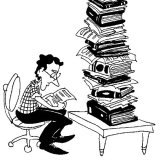
Most Important Skills for Planning Staff to Have
We asked professional planners what skills they’ve found most important in serving as a staff planner or planning director. A summary of what they told us.
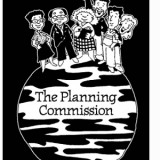
Many towns, cities, and counties employ planners to manage — in partnership with the planning commission — the local planning effort. It is important that the planning commission and staff agree on ways to foster a mutually beneficial relationship. Clarity regarding roles, duties, and expectations should be viewed as a top priority.
 While the planing commission typically focuses on the “bigger picture” associated with policy, direction, and goal setting, the chief responsibility of planning staff involves providing technical assistance and guidance — and managing the planning office’s many functions on a day-to-day basis. This requires communication and coordination As a result, it is not surprising that planning staff are frequently found whizzing through all corners of the planning universe.
We asked professional planners what skills they’ve found most important in serving as a staff planner or planning director. A summary of what they told us.

Citizen planning academies can provide a good way of better informing citizens about how the planning process works — while also building up a “bench” of future planning board members.

We posed four questions to 25 individuals who have had the opportunity to serve both as professional and citizen planners. You’ll find their responses quite interesting and informative.

Take note planning commissioners! The Segedys (with apologies to David Letterman) offer their own “top 10” list.

“Flexibility … that’s the most important part of my job,” Shaker Heights Planning Director Joyce Braverman told me. She even carries a small reminder of this in her purse, the world famous — and very flexible — Gumby.

In Cooperstown, New York, I met with Terry Bliss and heard about the job of a rural, small county planning director — who loves baseball (and is sure in the right place for that!)

Four planners discuss the role of the professional planner; planning commission-staff relations; what commission chairs can do; pre-meeting workshops; and new commissioner orientation.

What attributes should you look for in a new planning director? Columnist Elaine Cogan describes what she learned from facilitating a series community forums as part of Portland, Oregon’s search for a new planning chief.

Planning commissioners and staff need to identify the expectations each has of the other.

Long-time planner and teacher (the late) Perry Norton takes a look at the origins of the role of the professional planner.
Suggested do’s and don’ts for the conduct of public hearings, and the deportment of members of boards, commissions, and other bodies — reprinted as written by the late Fred Riggins.

Elaine Cogan looks at some of the benefits a citizen planner brings to the planning process.

Courts are increasingly scrutinizing written findings in local land use decisions. Attorneys Gary Kovacic and Mary McMaster provide guidelines for planning commissions and boards when drafting land use findings.
